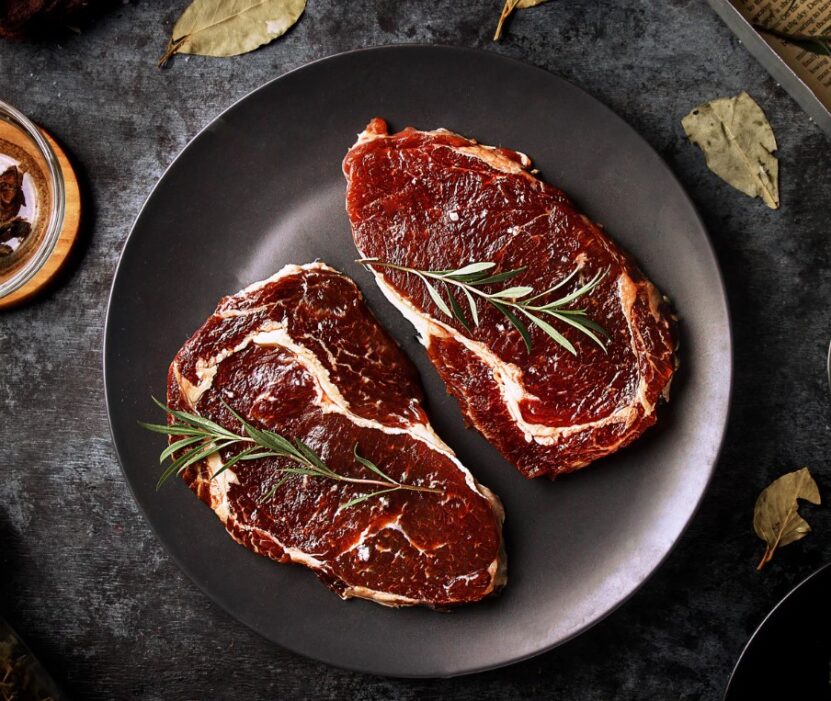
Aging involves resting beef in controlled conditions to improve tenderness and flavor.
Two primary approaches dominate modern and traditional kitchens.
Dry aging relies on open air and time. Wet aging uses vacuum sealing and efficiency.
Purpose centers on enzymatic breakdown that softens muscle fibers while building deeper taste.
Steak enthusiasts often compare aged beef to wine due to the added depth and character that fresh beef cannot deliver.
Let’s check it out.
Overview of Wet Aging
Wet aging has become the dominant method in commercial beef production due to speed, efficiency, and consistency.
Vacuum sealing protects meat during storage while still allowing internal enzymes to function.
The method suits large-scale distribution and everyday cooking needs.
The Process
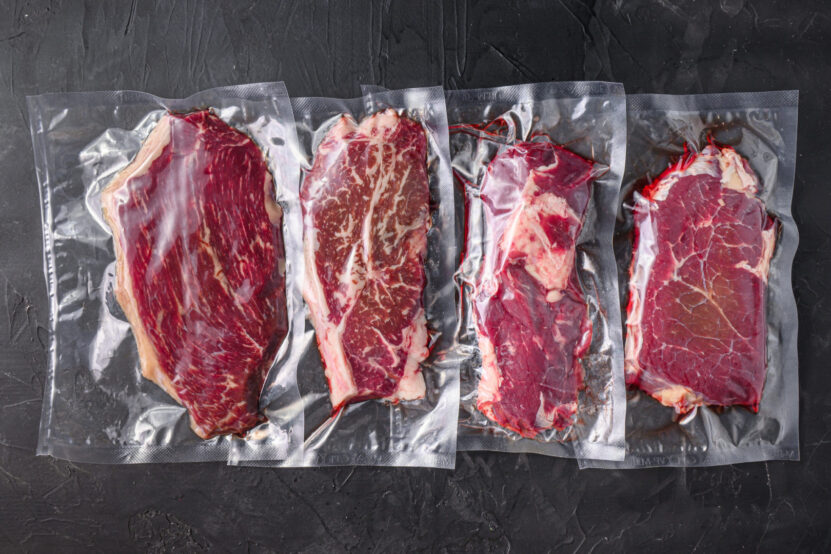
Wet aging places beef inside vacuum-sealed plastic packaging and stores it just above freezing.
Oxygen does not contact meat during aging, which prevents surface drying and spoilage.
Meat rests in its own juices while enzymatic action continues inside muscle tissue.
Supermarkets rely heavily on wet aging because packaging simplifies handling and limits waste.
Timeframe
Wet aging progresses quickly compared to dry aging. Initial tenderness improvement begins early, then slows as enzymes complete most of their work.
Typical durations fall into clear stages:
- Minimum can start after about four days
- Common window ranges between four and fourteen days
- Extended may continue up to four or six weeks under strict control
Gains after two weeks tend to be subtle rather than dramatic, especially regarding flavor.
To plan your meals or aging schedule more effectively, you can try out a custom calendar maker to visualize each stage.
Flavor and Texture Profile
High moisture retention defines wet-aged beef.
Juiciness remains pronounced, while texture stays slightly firmer than dry-aged beef.
Flavor usually tastes clean and beef-forward with gentle sweetness.
Some palates detect a light mineral or metallic note, which results from sealed aging conditions rather than spoilage.
Advantages
Wet aging offers practical benefits for both producers and consumers.
Lower cost and higher yield make method attractive across supply chains.
Main benefits include:
- Faster turnaround time compared to air aging
- Minimal weight loss due to lack of dehydration
- No trimming required before cooking
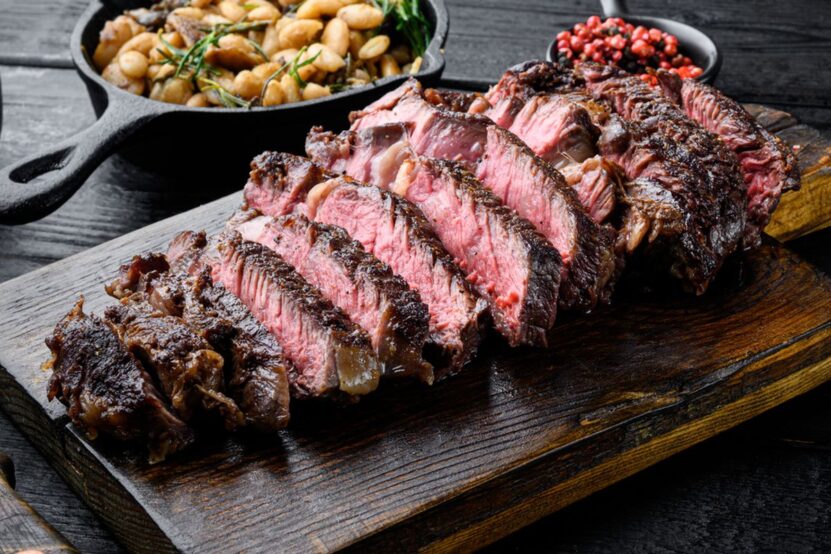
Leaner cuts such as filet mignon, strip steak, and flat iron perform especially well because retained moisture supports tenderness.
Limitations
Flavor development remains restrained when compared to dry aging.
Texture improves, yet cannot reach the same softness created by extended air exposure.
Longer wet aging periods also fail to generate nutty or savory notes associated with dry aged beef.
Overview of Dry Aging
Dry aging represents a traditional approach favored by steakhouses and enthusiasts seeking intense flavor.
Method requires patience, precise control, and acceptance oa f higher cost. Results reward those investments with dramatic sensory changes.
The Process
Dry aging places beef in open air refrigeration environments with:
- Controlled humidity
- Airflow
- Temperature
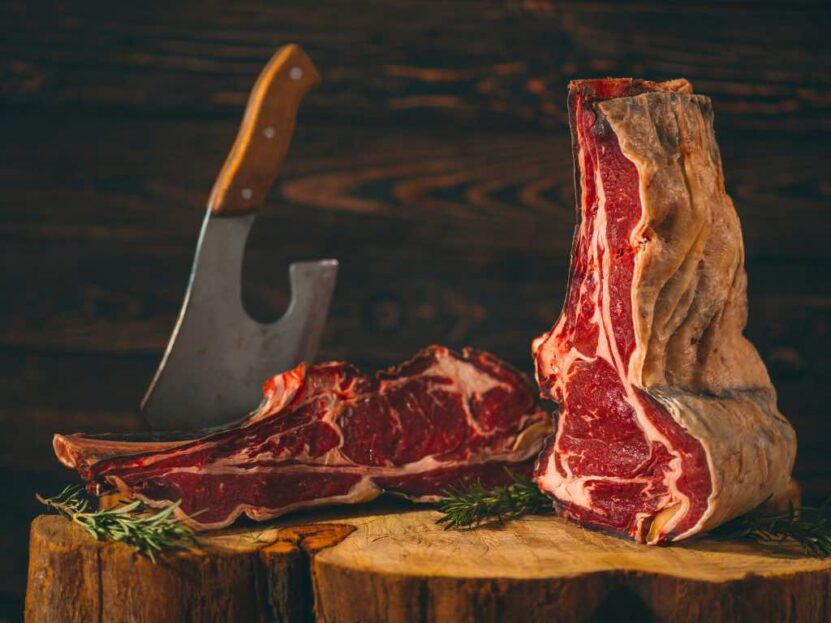
Exterior surfaces gradually dry and form a hardened crust. Chefs remove the crust prior to cooking, leaving a smaller portion of highly concentrated meat.
Timeframe
Dry aging unfolds slowly and continues to develop flavor well past early stages.
Preferred durations vary based on taste goals and cut selection:
- Initial process begins for around fourteen days
- Most restaurants target twenty-one to thirty-five days
- Extended aging can reach sixty days or more
- Going beyond seventy-five days produces intense and pungent flavors
Longer aging demands careful monitoring to avoid spoilage.
Flavor and Texture Profile
Moisture evaporation intensifies flavor and fat concentration.
Taste becomes bold, earthy, and nutty with pronounced savory depth.
Texture grows exceptionally tender as enzymes act over a longer period. Melted fat coats the palate and creates lingering mouthfeel.
Advantages
Dry aging delivers maximum complexity and tenderness when conditions remain stable.
Well-marbled cuts benefit most because intramuscular fat protects meat during dehydration.
Ribeye, porterhouse, and strip loin consistently yield superior outcomes due to fat content and muscle structure.
Limitations
Yield loss represents a major drawback.
Crust removal and shrinkage can reduce usable meat by up to thirty-five percent.
Costs rise due to time investment, refrigeration space, labor, and inventory holding. Retail pricing often doubles or triples compared to wet aged beef.
Culinary Considerations
Cooking decisions strongly influence how aged beef performs on the plate. Seasoning choices, heat level, and cooking method should align with aging style to avoid overpowering or muting natural qualities developed during aging.
Cooking Wet Aged Beef
Wet aged beef carries a clean and mild beef flavor, which allows added ingredients to play a supportive role.
Seasonings and sauces enhance rather than compete with meat character.
Leaner cuts especially benefit because moisture retention protects texture during cooking.
Several preparation strategies work particularly well with wet aged steaks:
- Marinades add depth and softness without overwhelming flavor
- Compound butters introduce fat and aroma after cooking
- Pan sauces and reductions provide balance and moisture
Lower to moderate heat suits many wet aged cuts, especially filets and flat iron steaks.
Careful temperature control prevents moisture loss and preserves juiciness.
Everyday meals often favor wet aged beef due to versatility and forgiving cooking behavior.
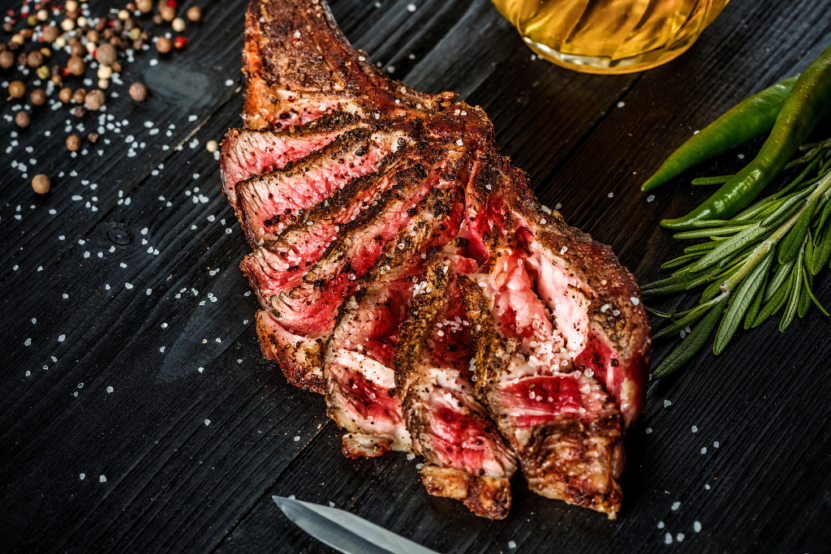
Cooking Dry Aged Beef
Dry aged beef delivers concentrated flavor that requires minimal intervention.
Heavy sauces or strong marinades can obscure the natural taste developed during long aging periods.
Simple preparation allows flavor intensity to remain front and center.
Best practices focus on restraint and precision:
- Salt applied shortly before cooking enhances surface browning
- Black pepper added after cooking avoids bitterness
- Neutral fats like clarified butter support crust formation
High-heat methods perform best due to moisture loss and dense texture. Grilling or pan searing quickly forms a crust while keeping the interior tender.
Resting meat after cooking allows juices to redistribute and preserves texture.
Dry-aged steaks suit special occasions where flavor alone takes priority over added elements.
What Exactly Is Meat Aging?
Meat aging refers to a controlled resting period that allows beef to naturally improve before cooking.
Process relies on enzymes already present in the muscle rather than additives or external treatments.
Over time, these enzymes weaken structural proteins, which changes both texture and flavor in noticeable ways.
Key physical changes occur during aging and shape eating quality in predictable patterns.
Most important transformations include the following:
- Enzymes break down muscle fibers and connective tissue, reducing toughness
- Muscle fibers relax, leading to less moisture loss during cooking
- Fats and proteins interact gradually, altering aroma and taste
Dry aging encourages stronger flavor development due to moisture loss and longer exposure to air.
Wet aging prioritizes tenderness and juiciness, with flavor changes remaining more restrained.
Final Thoughts
Wet aging offers speed, juiciness, and cost efficiency.
Dry aging delivers slow development and intense flavor suited for premium dining.
Choice depends on:
- Taste preference
- Budget
- Cut selection
- Occasion
Personal preference ultimately determines which method satisfies the diner the most.